Landscape Maintenance Tips to Prevent Weeds Naturally
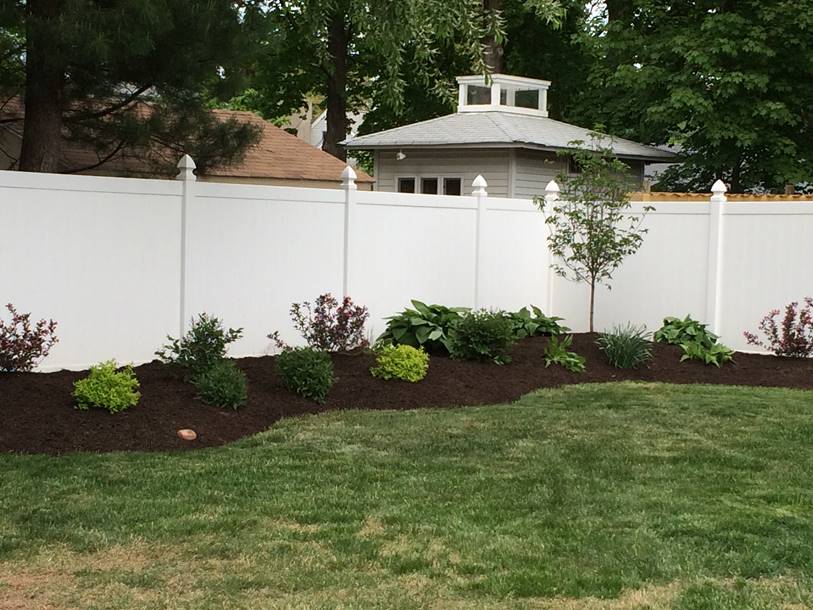

Anyone who has managed a yard for more than a single season learns the same lesson sooner or later: weeds are rarely just a weed problem. They are usually a sign that the planting bed, lawn edge, irrigation pattern, or maintenance routine is giving them an opening. When people ask for a natural fix, they often expect a product recommendation. What usually works better is a change in the conditions that let weeds take hold in the first place.
That is what good Landscape Maintenance looks like in practice. It is less about reacting after weeds appear and more about making the space harder for them to colonize. A healthy lawn, dense groundcover, properly applied mulch, careful watering, and sharp bed lines do more than keep a property attractive. Together, they reduce the amount of bare soil, weak growth, and excess moisture that many common weeds need.
Natural weed prevention is also more durable than constant spot treatment. You may still pull some crabgrass by hand, or remove dandelions after heavy rain, but the workload changes. Instead of fighting a full infestation every month, you start handling a few strays here and there. Over time, that difference matters.
Start with the reason weeds keep returning
Weeds show up where the desirable plants are underperforming or where the soil is exposed. That sounds obvious, but it gets overlooked all the time. A client may complain that weeds keep invading a shrub bed, yet the bed has only a thin scatter of old mulch, drip irrigation that misses half the root zone, and shrubs planted so far apart that sunlight hits open soil all day. In those conditions, weed seeds do exactly what nature designed them to do.
A similar pattern plays out in lawns. Thin turf, compacted soil, mowing too short, and inconsistent watering create perfect entry points. Many people respond by buying a natural weed killer, applying it twice, then wondering why the weeds are back three weeks later. The answer is simple: the underlying gap never closed.
Before changing anything, walk the property slowly and look for the repeating weak spots. Check the sunny edges of planting beds, the fence lines, the strip between sidewalk and curb, and the dry areas under eaves where irrigation often misses. Notice where mulch has thinned to almost nothing, where tree roots have pushed through, and where the lawn is patchy. Weed pressure is often heaviest in places where maintenance has been irregular, not because anyone neglected the whole yard, but because these transition zones are easy to miss.
Dense plantings do more work than people think
One of the strongest natural defenses against weeds is simple competition. If you fill the space with healthy plants that suit the site, many weeds lose their chance before they germinate. Light never reaches the soil as easily, roots occupy the upper layers, and moisture levels stay more stable.
This is where plant spacing matters. Landscapes are often installed with the right plants but too much distance between them. The bed looks neat on day one and sparse by month three. That open ground becomes a welcome mat for opportunistic weeds. In professionally maintained landscapes, I have seen this especially often with foundation plantings, where owners want everything to look clean and separated. The result can be years of unnecessary hand weeding.
Groundcovers help, but only if they are used intentionally. In partial shade, plants like liriope, ajuga, or certain sedges can knit together well. In sunnier areas, spreading perennials or low shrubs can serve the same role. The point is not to pack plants so tightly that airflow disappears. The point is to leave as little exposed soil as the mature planting plan reasonably allows.
There is a trade-off here. Dense planting reduces weeds, but it also requires smarter pruning and stronger disease awareness. If air circulation is poor or irrigation is excessive, fungal issues can replace the weed problem. Good judgment matters more than following a formula.
Mulch is not a weed cure, but it is one of the best tools available
Mulch works because it blocks light, moderates soil temperature, reduces moisture swings, and makes it harder for many weed seeds to establish. When applied correctly, it can dramatically cut weed germination. When applied poorly, it can waste money and even harm the plants you are trying to protect.
Depth is the key detail. In most ornamental beds, about 2 to 3 inches of mulch is effective. Less than that and weeds push through easily. More than that and the soil can stay too wet, plant crowns can suffer, and shallow-rooted ornamentals may decline. Piling mulch against tree trunks or shrub stems is especially harmful. That “mulch volcano” look is still common, and it creates rot, pest habitat, and root stress while doing little to stop weeds.
The type of mulch matters too. Shredded hardwood tends to knit together and stay put on slopes better than lightweight chips. Pine bark can work beautifully in many beds and has a tidy appearance, though it may shift more readily in runoff areas. Straw is useful in vegetable gardens, but many homeowners dislike the look in formal landscapes. Compost can suppress some weeds temporarily, yet by itself it is usually too fertile and too open-textured to function like a long-lasting mulch layer.
Freshly mulched beds often appear weed-free, but the timing of application affects results. If weeds are already mature and seeding, covering them may not solve much. I generally prefer to weed thoroughly first, water the bed if the soil is dry, then apply mulch evenly. That sequence reduces immediate competition and helps the desired plants settle in.
Watering habits can either discourage weeds or feed them
Irrigation is one of the most misunderstood parts of natural weed control. Frequent shallow watering is excellent for many weed seeds because it keeps the top inch or two of soil consistently moist. That is exactly where a lot of them germinate. Meanwhile, established shrubs, trees, and many perennials usually perform better with deeper, less frequent watering once they are established.
The contrast is important. When you water lightly every day, you favor shallow-rooted opportunists. When you water deeply and appropriately for the plant type, you encourage stronger root systems in the plants you want. This will not eliminate weeds on its own, but it shifts the balance.
Drip irrigation and soaker hoses are especially useful in planting beds because they deliver water near plant roots rather than wetting every exposed inch of soil. Overhead irrigation is sometimes unavoidable in lawns, but even there, scheduling matters. Early morning watering is usually best. Evening watering often leaves the surface damp for too long, which can invite disease and help certain weeds establish.
If your landscape has zones with different exposures, treat them differently. The south-facing front bed that bakes in summer does not need the same schedule as the shaded side yard. One uniform setting across the whole property often means some areas are overwatered and others are stressed. Either condition can increase weed pressure.
Soil health makes a quiet but real difference
People sometimes overstate soil health as a cure-all, but it does play a meaningful role in weed prevention. Healthy soil supports vigorous ornamental plants and turf, and vigorous plants occupy space more effectively. Poor soil, by contrast, produces weak growth, open gaps, and stress. Weeds excel in those gaps.
Compaction is one of the most common hidden problems. In lawns, compacted soil limits root growth and water infiltration, leaving turf thin and vulnerable. In beds, compacted soil can stunt perennials and keep shrubs from establishing well. Natural weed prevention gets easier when the desirable plants are not struggling.
A practical approach is usually enough. In lawns, core aeration can improve infiltration and root development. In beds, adding organic matter when preparing new planting areas helps, though constantly tilling established beds can bring buried weed seeds to the surface. That is one of those details that separates effective maintenance from well-meant overwork. Improving soil before planting is ideal. Disturbing it too often afterward can create fresh weed flushes.
Soil testing can be worthwhile, especially if a lawn repeatedly thins despite irrigation and mowing improvements. If pH or nutrient levels are significantly off, turf may never fill in properly, and weeds will continue exploiting the weakness. A natural strategy still benefits from accurate information.
Mowing height is one of the simplest weed prevention tools in the yard
In lawns, mowing too short is a gift to weeds. Scalped turf exposes more soil to sunlight, stresses the grass, and reduces root depth. Once that happens, species like crabgrass and broadleaf weeds have a much easier time moving in.
Keeping the grass at an appropriate height for the species is one of the least expensive and most effective forms of Landscape Maintenance. Taller grass blades shade the soil and help conserve moisture, while stronger roots improve resilience during heat and dry spells. Most homeowners who struggle with persistent lawn weeds would benefit from raising the mower deck before buying anything else.
Sharp mower blades matter just as much. Dull blades tear rather than cut, leaving ragged tips that stress the turf and make the lawn look pale a day or two after mowing. Weak turf is never your ally in weed prevention.
Clippings can stay on the lawn if they are not excessive. They return some nutrients and generally do not cause thatch in the way people fear. What matters is avoiding heavy clumps that smother the grass. If the lawn has grown too long between cuts, it is better to remove some clippings than to leave mats behind.
Edges and transitions are where weeds like to sneak in
A landscape is only as clean as its borders. The line where lawn meets mulch, where gravel meets planting bed, or where fence meets turf often becomes the first place weeds appear. These spots are harder to mow cleanly, easier to overlook, and often receive inconsistent water.
Maintaining crisp edges does more than improve appearance. It physically defines where turf stops and ornamental space begins. That makes hand weeding easier, reduces grass creep into beds, and limits the scruffy seam that weeds love to occupy. In many properties, one or two neglected edges account for a disproportionate amount of the weed pressure.
The same goes for hardscape joints. Cracks in pavers, seams along walkways, and gravel paths catch windblown seed and hold just enough dust and organic matter to support growth. If these areas are ignored for a season, they can become a seed source for the rest of the yard.
A brief routine check every couple of weeks during the growing season is usually enough to stay ahead of it. Once weeds mature in edges and joints, removal becomes slower and seed spread becomes inevitable.
Pull weeds when they are small, and do it at the right time
Hand weeding is not glamorous, but it remains one of the best natural methods available. The trick is timing. https://juliuslbxm051.wpsuo.com/affordable-landscape-maintenance-ideas-for-every-budget Small weeds in moist soil come out quickly, roots and all. Large weeds in dry compacted ground waste time, break off at the crown, and leave fragments behind.
If you only remember one practical rule, make it this one:
- Weed after rainfall or after a light irrigation, when roots release more easily.
- Remove weeds before they flower or set seed.
- Target perennial weeds carefully, getting as much of the root system as possible.
- Revisit the area within two weeks, because disturbed soil often triggers new germination.
- Mulch or replant bare spots immediately after clearing them.
That final point gets missed constantly. Pulling weeds creates open soil, and open soil invites the next generation.
Some weeds deserve special attention. Nutsedge, bindweed, and creeping perennial grasses are not the same as a handful of chickweed or spurge. Pulling them casually can spread tubers or leave regenerative roots behind. In those cases, persistence matters more than force. Repeated removal, improved competition from desired plants, and close monitoring usually work better than aggressive soil disturbance.
Organic barriers can help, but they are not always the best answer
Landscape fabric, cardboard, and paper barriers come up in nearly every discussion about natural weed prevention. They can help in some settings, but they are often oversold.
Cardboard and layers of plain paper can be useful when converting a weedy patch into a new bed. Covered with mulch, they suppress existing growth and decompose over time. For bed establishment, that can be a practical low-chemical method. It works best when the area is not already dominated by deep-rooted perennial weeds.
Permanent landscape fabric is more complicated. Under gravel paths or in certain utility areas, it can reduce maintenance for a time. In ornamental beds, however, it often becomes a long-term nuisance. Organic matter collects on top, weeds root into that layer, and eventually you end up pulling weeds from fabric instead of soil. At that point the barrier is not preventing much, and replacing it is labor-intensive.
There are always exceptions. In steep areas with erosion concerns or in specialized xeriscape designs, fabric may be part of a reasonable system. But for most planted beds, a healthy plant canopy plus proper mulch performs better over the long run.
Seasonal timing changes the workload
Natural weed control is easier when maintenance matches the season. Spring is not the only important period, though it gets the most attention. Summer, fall, and even winter each affect what the next season will look like.
In early spring, the focus should be on bed cleanup, edging, light cultivation only where appropriate, and refreshing mulch where it has thinned. This is also the time to correct irrigation issues before heat arrives. Once temperatures rise, your emphasis shifts toward monitoring and quick intervention. Summer weeds grow fast, and a ten-minute pass through the yard every week often prevents hours of cleanup later.
Fall matters more than many homeowners realize. A bed left full of spent annual weeds and dropped seed heads can create next spring’s headache. Cutting back diseased or collapsing plant material, removing mature weeds, and topping up mulch before winter can significantly reduce the pressure the following year.
A simple seasonal rhythm looks like this:
- Spring, restore edges, clear small weeds early, and refresh mulch where needed.
- Summer, water deeply but not too often, inspect problem spots weekly, and pull weeds before seed set.
- Fall, remove mature weeds, clean up spent plant debris, and close bare gaps with plants or mulch.
- Winter, review the weak spots and plan any redesign before the next growth cycle.
This kind of planning sounds basic, but it separates stable landscapes from properties that need repeated rescue work.
Design choices determine how much maintenance a landscape will demand
Some landscapes are almost built to grow weeds. Wide empty spaces between shrubs, decorative stone with no underplanting, awkward narrow strips beside driveways, and isolated specimen plants surrounded by exposed soil all tend to increase maintenance. Others are designed with plant layers, sensible spacing, and manageable bed widths. Those usually age better and require less intervention.
This is worth saying plainly: if a landscape repeatedly needs heavy weeding despite consistent care, the problem may be the design, not the maintenance. Sometimes the best natural weed prevention strategy is to reduce unnecessarily complicated bed shapes, replace struggling plants with better-adapted ones, or convert hard-to-maintain corners into dense plantings.
I have seen a simple redesign cut weed labor by half without changing the overall look of a property very much. Replacing scattered annual color pockets with a massed perennial drift, for example, often reduces exposed soil and irrigation demand at the same time. Expanding one shrub bed to eliminate a skinny mowing strip can save both trimming time and weed control effort. Good Landscape Maintenance starts with a layout that can actually be maintained.
Know when “natural” still requires flexibility
For many homeowners, natural weed prevention means avoiding synthetic herbicides altogether. That is a reasonable goal, but it helps to stay realistic. Vinegar-based products, flame weeding, boiling water, and other non-synthetic approaches can work in limited settings, especially on young weeds in cracks or gravel. They are less reliable in established planting beds and often do not kill roots of perennial species.
That does not make them useless. It simply means they should be used where they make sense. Boiling water may be fine for a few sidewalk weeds, but not for a large bed near desirable plant roots. Flame weeding can be effective on hardscape weeds, but only with careful attention to fire risk, dry mulch, and local conditions. Natural methods still require judgment.
The strongest long-term strategy remains cultural control, not product substitution. Healthy plants, covered soil, appropriate water, timely mowing, and early intervention outperform most reactive treatments. When those basics are in place, the need for any weed-killing product drops sharply.
The payoff is a landscape that stabilizes instead of constantly backsliding
The most encouraging part of natural weed prevention is that it tends to compound. The first season may still involve a fair amount of cleanup, especially if the yard has been neglected or the design leaves too much bare space. But once the lawn thickens, the mulch depth is corrected, the irrigation is adjusted, and the beds fill in, pressure usually declines.
That does not mean the landscape becomes weed-free forever. Wind carries seed. Birds drop it. Neighboring properties contribute their share. Nature never stops testing your weak spots. The goal is not perfection. The goal is a landscape where weeds are occasional intruders rather than permanent residents.
That is a much more useful standard, and far more achievable. With steady Landscape Maintenance and a willingness to fix the conditions behind the problem, most properties can keep weeds under control naturally, without turning every growing season into a fight.
Majestic Mowing & Landscaping LLC
Phone number: +19733975532
FAQ About Landscape Maintenance
What is landscape maintenance?
Landscape maintenance is the ongoing care, cleaning, and upkeep of outdoor green spaces to keep them healthy, safe, and attractive.
Is $100 an hour too much for landscape work?
An hourly rate of $100 is not too much for specialized or professional landscape work, though it sits at the higher end of the standard pricing spectrum.
How much do landscapers charge for maintenance?
For professional landscaping maintenance, homeowners typically pay $100 to $410 per month for recurring services, or an hourly labor rate of $50 to $100 per hour per crew member.